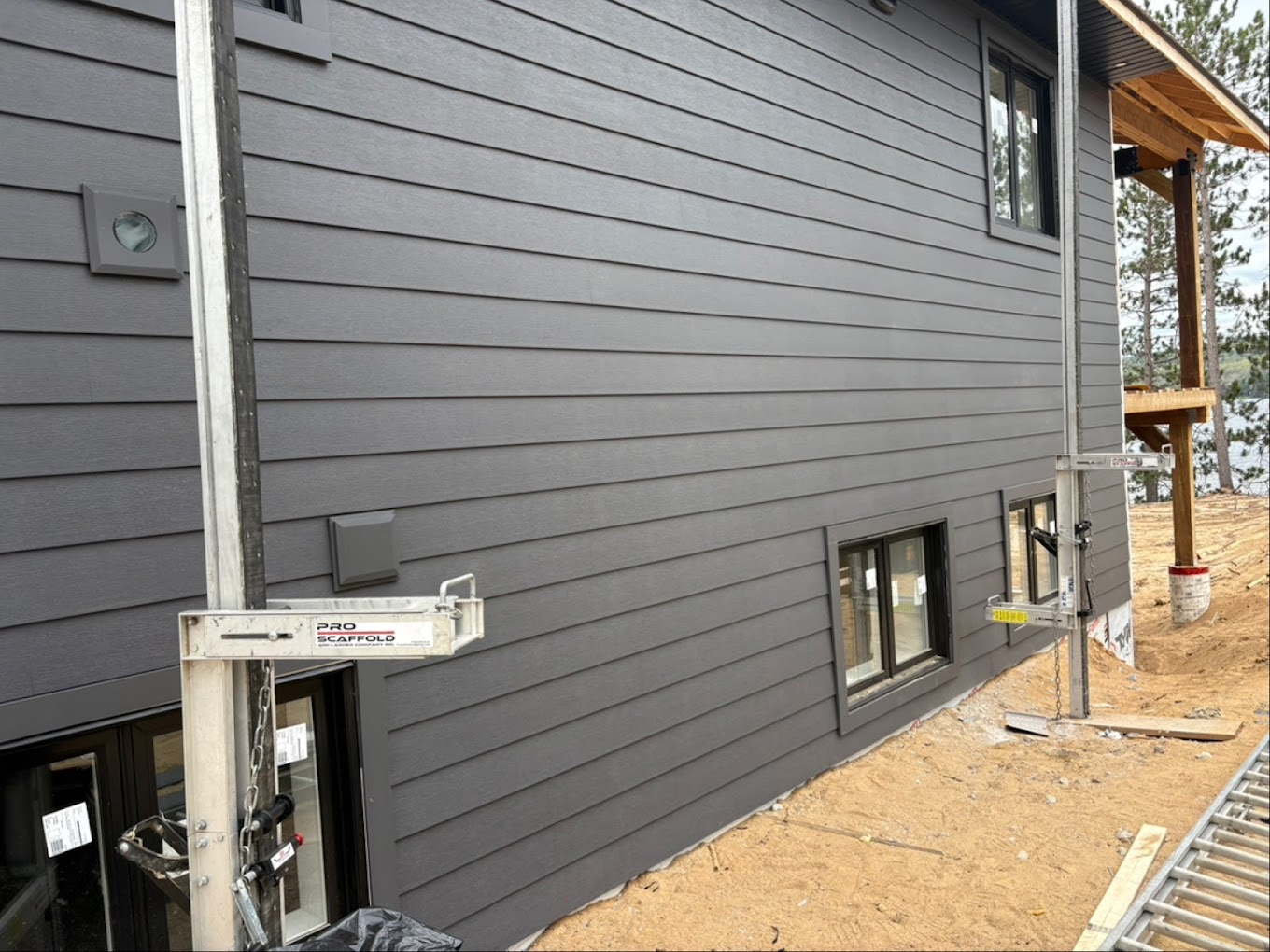
Siding Materials Compared: Vinyl, Steel, Aluminum & More
Siding Materials Compared: Vinyl, Steel, Aluminum, and James Hardie
The material you choose affects more than the look of your home — it affects how often you're doing anything to it for the next 20 to 30 years. Here's how the main options actually differ.
Vinyl
The most common and least expensive option, vinyl holds up well and requires very little maintenance beyond occasional washing. It can fade over time with prolonged sun exposure and is more prone to cracking in extreme cold than metal options, but for most homes it offers the best balance of cost and low upkeep.
Steel
Steel siding is exceptionally durable — resistant to impact, fire, and pests in a way vinyl isn't — and holds paint and colour well over time. It costs more than vinyl and, like any metal siding, can dent under significant impact, though it resists the everyday wear that eventually shows on softer materials.
Aluminum
Lighter than steel and naturally corrosion-resistant, aluminum is a strong performer in Ontario's freeze-thaw climate. It can dent more easily than steel but won't rust, and it's a common choice for capping and trim work alongside a primary siding material.
James Hardie (Fibre Cement)
Fibre cement siding delivers a more substantial, higher-end look than vinyl, with strong resistance to fire, pests, and rot. It's heavier and typically costs more than vinyl or aluminum, and installation requires more specialized handling — but the finished look and longevity are a real step up for homeowners prioritizing curb appeal and durability together.
PVC
PVC siding shares some of vinyl's low-maintenance appeal with generally better resistance to warping and fading, often at a higher price point. It's a solid option for homeowners who want vinyl's practicality with a longer-lasting finish.
How to Actually Decide
The honest answer is that budget, desired look, and how long you plan to stay in the home all matter more than any single "best" material. A tighter budget with strong performance needs often points to vinyl or aluminum. A longer-term investment in curb appeal and durability points toward steel or James Hardie. There's no wrong choice among these — just different tradeoffs.
Frequently Asked Questions
Which siding material handles Ontario winters best?
Steel and aluminum both perform well in freeze-thaw conditions. Quality vinyl holds up too, though extreme cold makes it somewhat more prone to cracking on impact than metal options.
Is James Hardie siding worth the extra cost?
For homeowners prioritizing a premium look and long-term durability, generally yes. For a straightforward, budget-conscious replacement, vinyl often delivers most of the practical benefit at a lower cost.
Can I mix siding materials on one home?
Yes — it's common to use one material for the main siding and aluminum for capping, trim, and detail work.
How long does each material typically last?
Vinyl and aluminum are commonly rated for 20-plus years with reasonable maintenance; steel and James Hardie are generally built for even longer service life, particularly with proper installation.
Compare Options for Your Home
Request a quote and we'll walk you through which material fits your home, your budget, and how long you're planning to stay.


